

RREDA IV Annual Conference
Russian Renewable Energy: Energy Transition Technologies
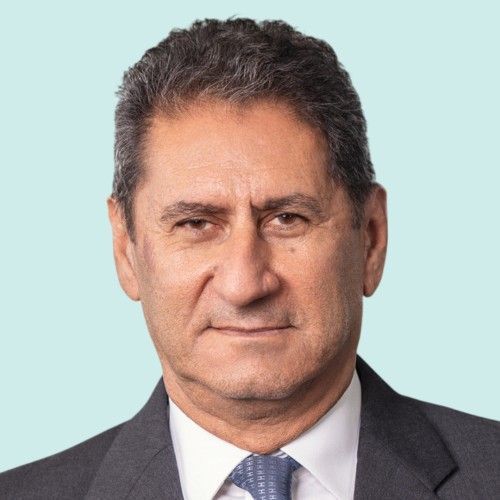
Special Guest - Francesco La Camera, Director-General, IRENA
About the conference
Now, more than ever, it is important to define the vector of movement and a sustainable trajectory
Speed has recently become one of the most important factors drawing the attention of both investors and regulators. The speed of construction. The speed of technological progress and transformation in the global economy. The speed of implementation of investment projects. It is precisely the speed at which renewable and hydrogen energy, energy storage systems, and other energy-transition-based solutions cease to be a “promising alternative” and become a practical tool for power-system development that was the focus of the III Conference “Russian Renewable Energy: Energy Transition Technologies” in 2025.
Speed is the most important element defining the nature of movement. At the same time, achieving the goal also requires a direction, a vision of the route’s destination – only this way can we chart the right path. Ahead of the update to the key document setting out the development prospects for Russia’s power system – General Scheme 2042 – the key question moves to the forefront: what direction should the Russian power industry take?
The national power system is entering a period in which the conventional tools of long-term planning require reassessment. Forecast power consumption is growing at an accelerated pace amid persistently high capital costs and long expected construction periods for thermal generation. At the same time, industry and the population require affordable and reliable electricity across the entire planning horizon. New technologies – RES generation, energy storage systems (ESS), demand-response resources, hybrid energy complexes – are becoming the most effective, and often the only available, response to the challenges of today.
That is why in 2026, as part of IV Conference, particular emphasis will be placed on the directions and options for updating Russia’s power-industry development plans considering the new technological and economic reality. Now, more than ever, it is important to define the vector of movement and a sustainable trajectory – not an inertial one, in which RES generation and energy storage systems remain on the periphery of the power system, but a new, progressive one, in which innovative energy becomes part of the core of long-term planning.
IV Annual Conference – 2026 will serve as a platform where leading industry representatives present their vision of the optimal approaches to shaping the power system of the future. Experts will present current market trends and regulatory initiatives, and present data on the efficiency of modern technical solutions, the prospects for technological development, and international cooperation.
Key topics
-
Development trajectory
What is the optimal development vector for the Russian electric power industry considering the new technological and economic conditions
-
Striking a balance
How to strike a balance between long-term goals and rapid response to the challenges of today. Between technology imports and the goals of technological sovereignty?
-
Technologies
What new technological solutions in the field of energy transition can be scaled and integrated into the Russian electric power industry?
-
Strategies
What investment strategies are different energy market players choosing: generation companies, technology companies, industrial consumers?
-
Growing energy consumption
What mechanisms can be used to integrate new types of consumers into the power system efficiently?
Audience
200+
Representatives of state authorities, heads of energy and engineering companies, equipment manufacturers, banks, scientific and educational institutions preparing personnel for the energy sector, investors, consultants and market analysts; representatives of leading industry and business media.
Business Program
Thursday, December 3, 2026
-
to
Registration, morning coffee
-
to
IntroductionOpening Speech by Francesco La Camera
-
to
Session 1Power System Development Trajectory: What Is the Optimal Speed Vector?
-
to
Coffee break
-
to
Session 2Investment Outlook: One Horizon – Different Strategies
-
to
Lunch
-
to
The Art of Strategic Thinking: The Game of Go as a Path to Strategy
-
to
Coffee break
-
to
Session 3Global Energy Transition: Asia as the Leader of Technological Transformation
-
to
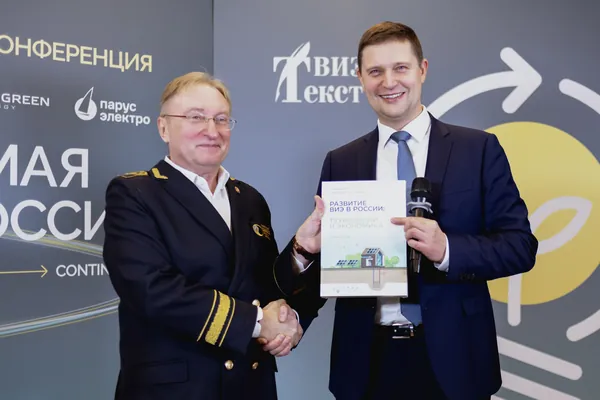
Awards ceremony for the winners of the all-Russian media, online-resource, and blogger competition on renewable energy sources and energy-transition technologies “TextRES,” and of the photo contest “RES in Focus – 2026”
-
to
Cocktail reception
Speakers
-
Head of the Department of Renewable Energy Sources
Gubkin Russian State University of Oil and Gas (National Research University) -
Deputy Minister of Industry and
Trade of the Russian Federation -
Deputy Minister of Energy
of the Russian Federation -
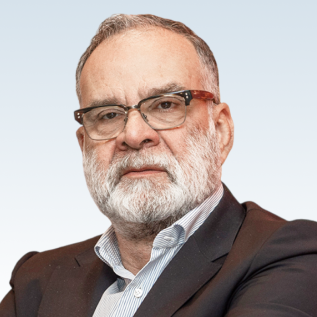
Chairman of the Board
"NP Market Council" Association -
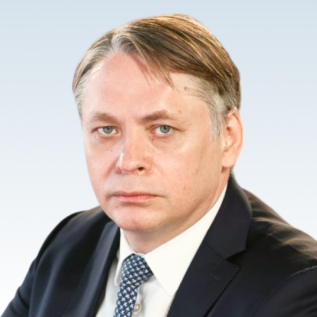
Chairman of the Board
System Operator of the Unified Energy System -
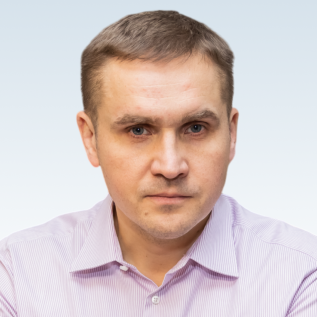
CEO
Rosatom Renewable Energy -
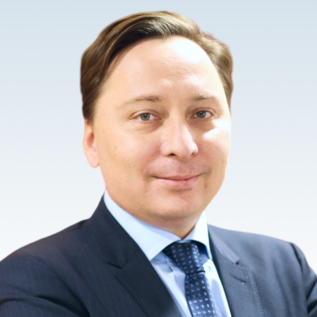
CEO, Unigreen Energy
-
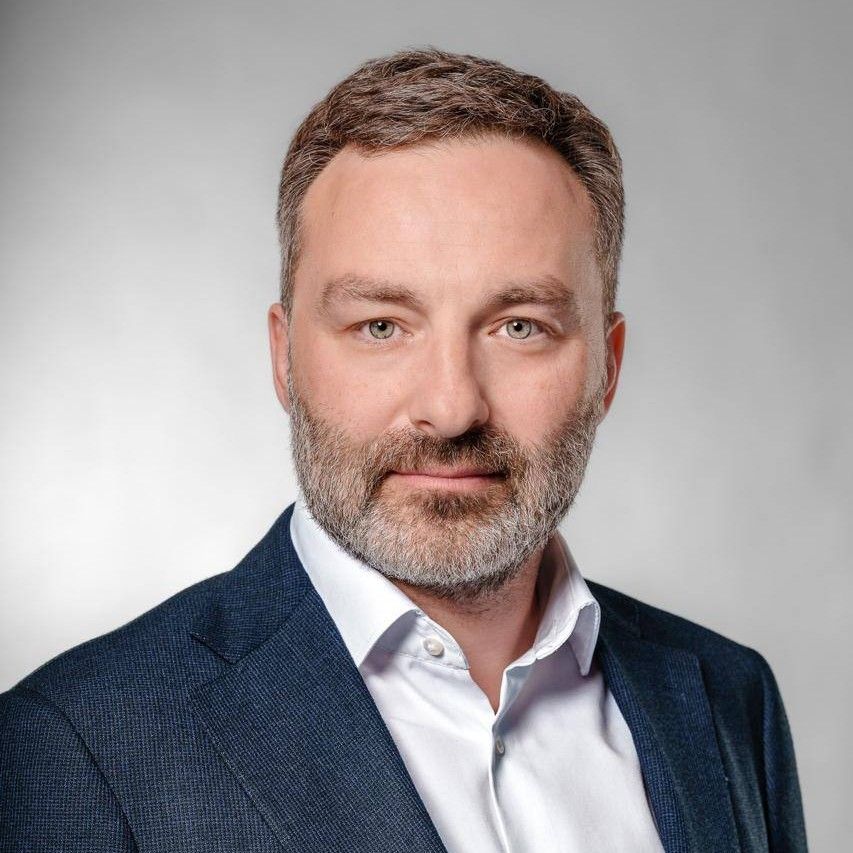
Co-founder
of Parus Electro -
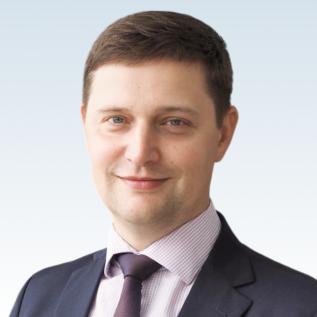
Director
Russia Renewable Energy Development Association,
CEO
ENSOLVE -
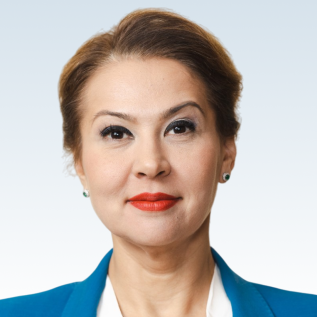
Chair of the Supervisory Board
Association "Council of Energy Producers"
Board Member - Head of the Trading Center
"Inter RAO" -
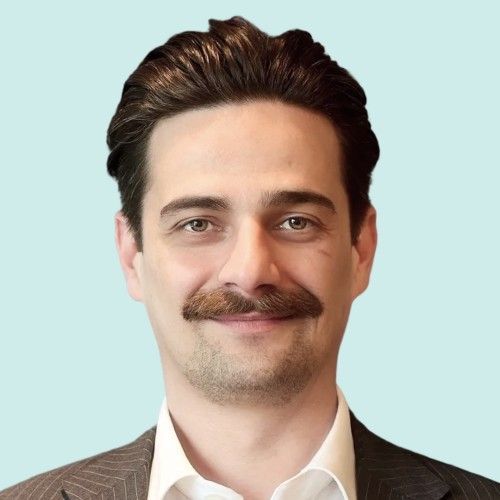
Deputy Director of the Mechanical Engineering for Fuel and Energy Complex
Department of the Ministry for Industry and Trade of the Russian Federation -
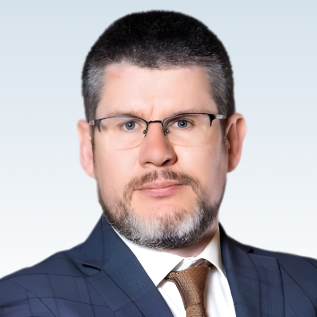
Director of the Department for Electricity Development
Ministry of Energy of the Russian Federation -
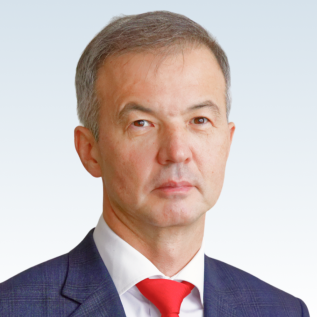
CEO
Rusenergosbyt -
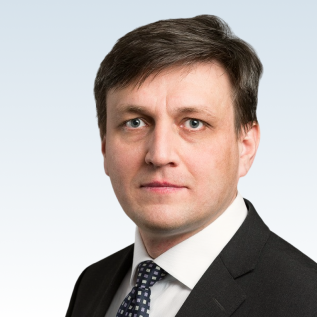
Board Member
"NP Market Council" Association
CEO
Energy Certification Center -
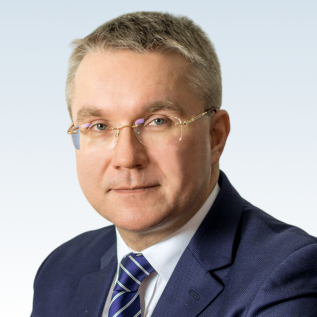
Director of Energy and Resource Supply,
SIBUR Holding;
Chairman of the Supervisory Board,
Energy Consumers Association -
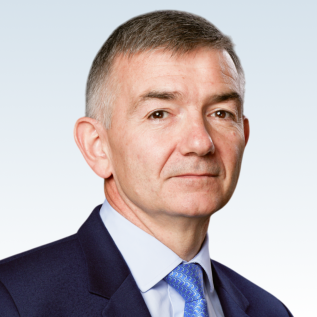
First Vice President
Gazprombank -
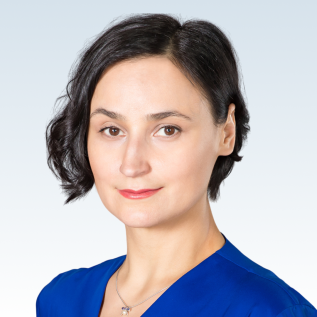
Chair of the Board
Association of Guaranteed Suppliers and Energy Service Companies -
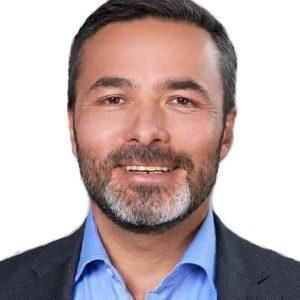
CEO,
Nord Energy JSC -
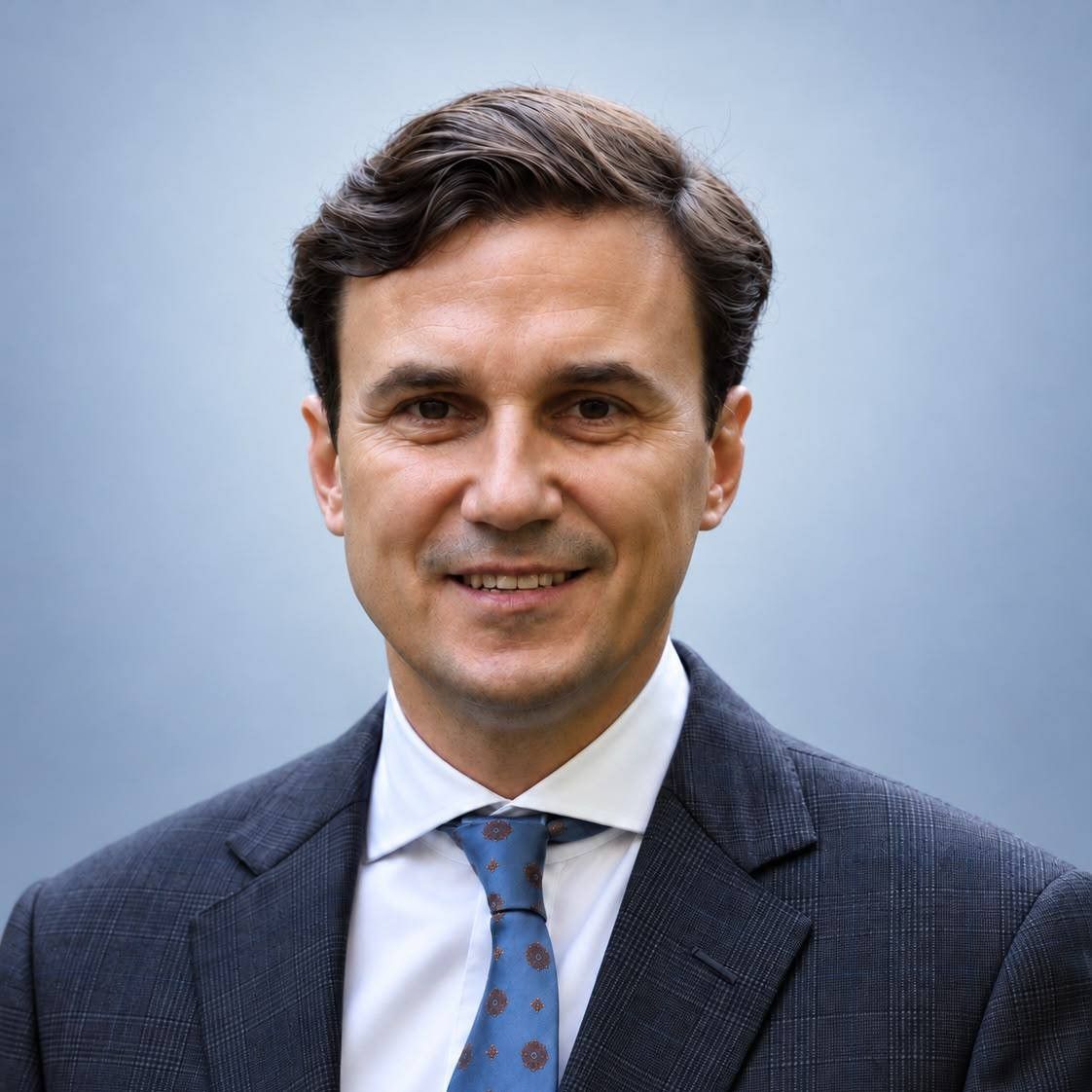
Vice President
VTB Bank -
Director-General,
International Renewable Energy Agency (IRENA) -
Senior Advisor to the World Energy Council (WEC)
Chairman of the Supervisory Board of the Global Energy Association for the Development of International Research and Projects in the Field of Energy
Vice Chairman of the Global Energy Interconnection Development and Cooperation Organization (GEIDCO) -
Representative of New and Renewable Energy of India (participation to be confirmed)
Participation options
Choose the participation format that suits you for the RREDA IV Annual Conference.
-
Advertising opportunities and partnership
Exclusive formats for presenting your company at the conference
-
Delegate participation
Attend the conference as a delegate
RUB 48,000
Participation fee after October 31, 2026
-
Participation for RREDA members
Special participation fee for one representative of a RREDA member company
RUB 38,000
Participation fee per delegate
-
Media accreditation
For representatives of industry and business media covering the conference
Location
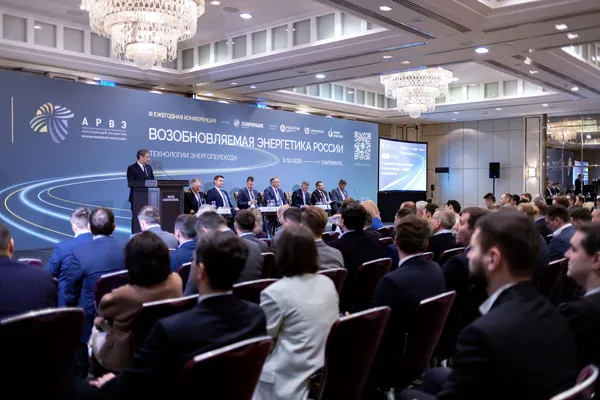
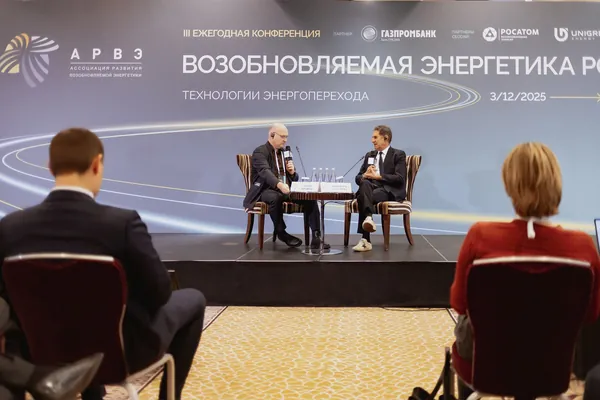
How it was

Partners
-
Conference Partner
Unigreen Energy is the largest private company in Russia’s renewable energy sector, encompassing the entire electricity generation value chain—from the manufacturing of equipment to the design, construction, and operation of solar power plants -

Session Sponsor
En+ is the world's leading vertically integrated producer of low-carbon aluminum outside China (capacity of 4.2 million tons per year) with energy assets totalling 19.5 GW, which makes it a leader among private generating companies. -
Wine Partner
-
Conference Partner
PJSC Fortum is one of the leading producers and suppliers of thermal and electric energy in the Urals and Western Siberia. The company's structure includes seven combined heat and power plants. Four of them are located in the Chelyabinsk region, three in the Tyumen region, including the Nyagan GRES (Nyagan, Khanty-Mansi Autonomous Okrug) - one of the largest and most modern thermal power plants in Russia. The company's portfolio of production assets also includes a wind farm in the Ulyanovsk region and three solar power plants located in the Orenburg region and the Republic of Bashkortostan. -
Brand Partner
-
Supported by the Ministry of Industry and Trade of the Russian Federation
-
Information partner
«Industrial Reporter» is your news aggregator for industry and technology. It covers all significant events and trends in the manufacturing world—including mechanical engineering, the energy sector, and other industries. -
-
-
-
-
-
-
-
-
-
-
.png)
-
-
-
-
-
Session Sponsor
-

Session Sponsor
New Energy Management Company is a Russian holding company with a renewable energy portfolio comprising over 550 MW of solar power generation capacity, making it the second-largest solar power generation company in Russia. The company manages the construction and operation of solar power plants, providing a full range of services throughout the project lifecycle — from site selection, project development and construction to the integration of generating facilities into the wholesale electricity and capacity market, as well as electricity trading throughout the investment cycle and beyond. The company also supports corporate and individual customers seeking to demonstrate that their products or services meet environmental standards. To this end, it provides green energy certificates verifying that the electricity consumed by these customers has been generated from renewable sources without adverse environmental impact.